Database design guides
How to design a database that stays fast and correct: tables and keys, indexes, transactions, and choosing between SQL and NoSQL.
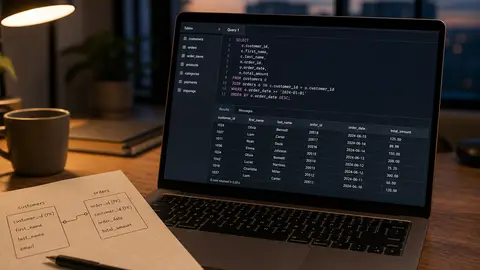
SQL joins explained with real examples: INNER, LEFT and the traps to avoid
How SQL joins work, using a small shop database: INNER and LEFT joins, finding missing rows, many-to-many, and two mistakes that give wrong totals.

Database transactions explained: ACID, rollbacks and race conditions
What a database transaction is, ACID in plain words, BEGIN, COMMIT and ROLLBACK in code, and how to stop two orders selling the last item twice.

SQL vs NoSQL: how to choose a database for your project
The real differences between SQL and NoSQL databases, with the same data stored both ways, the kinds of NoSQL, and a simple way to choose for your project.
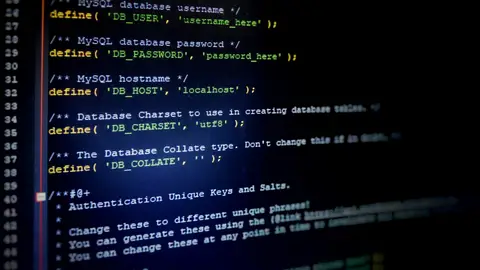
Database indexes explained: how to make slow queries fast
What a database index is, how it turns a full table scan into a quick lookup, which columns to index, how column order works, and what indexes cost.
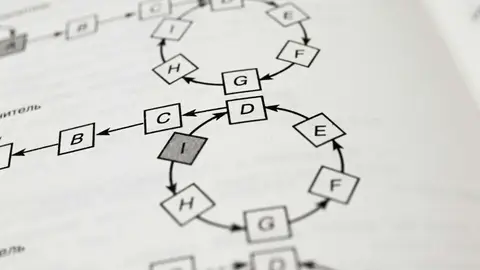
Database design basics: tables, keys and relationships, with a real example
How to design a relational database step by step, with a small shop example covering tables, primary and foreign keys, relationships and constraints.